

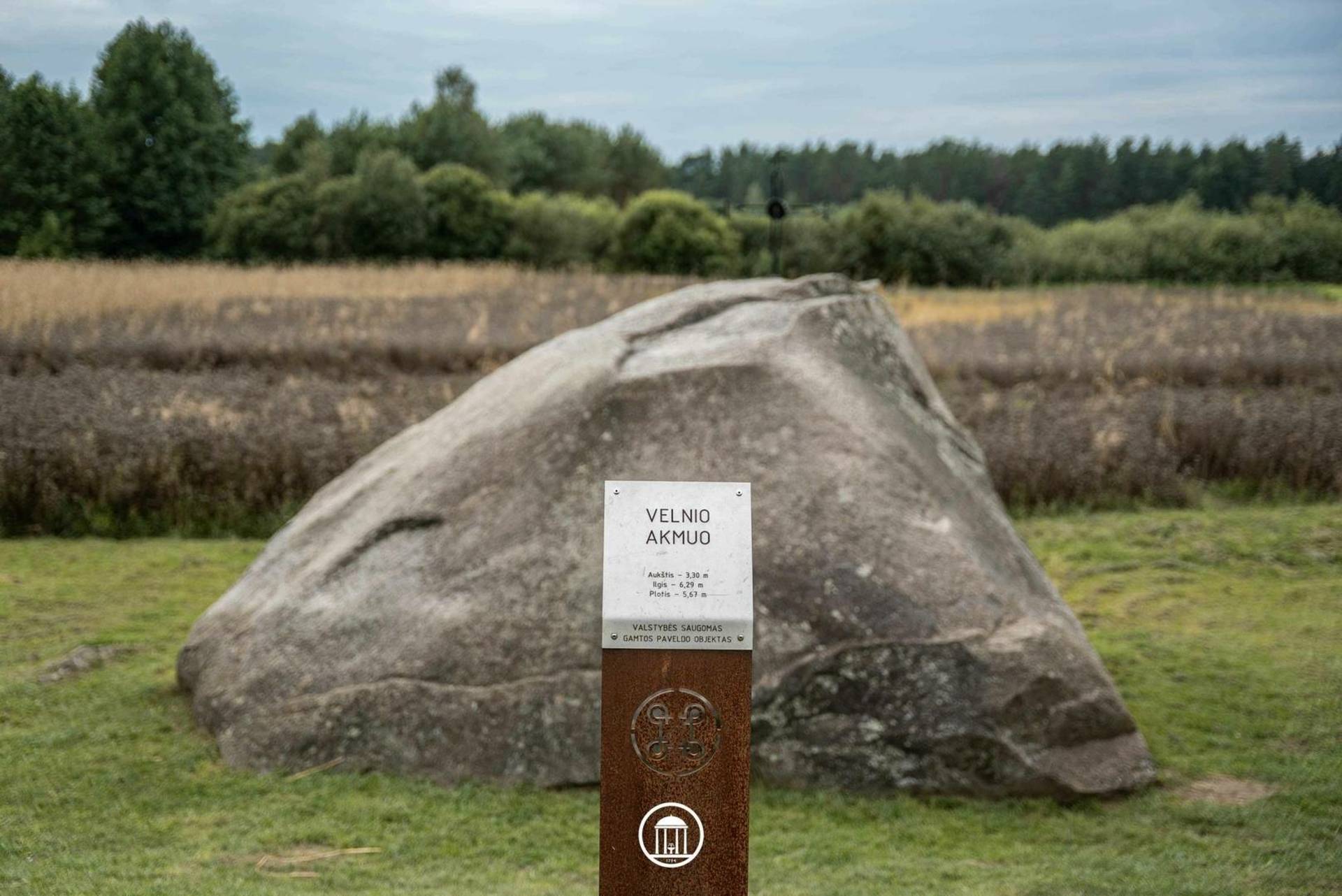
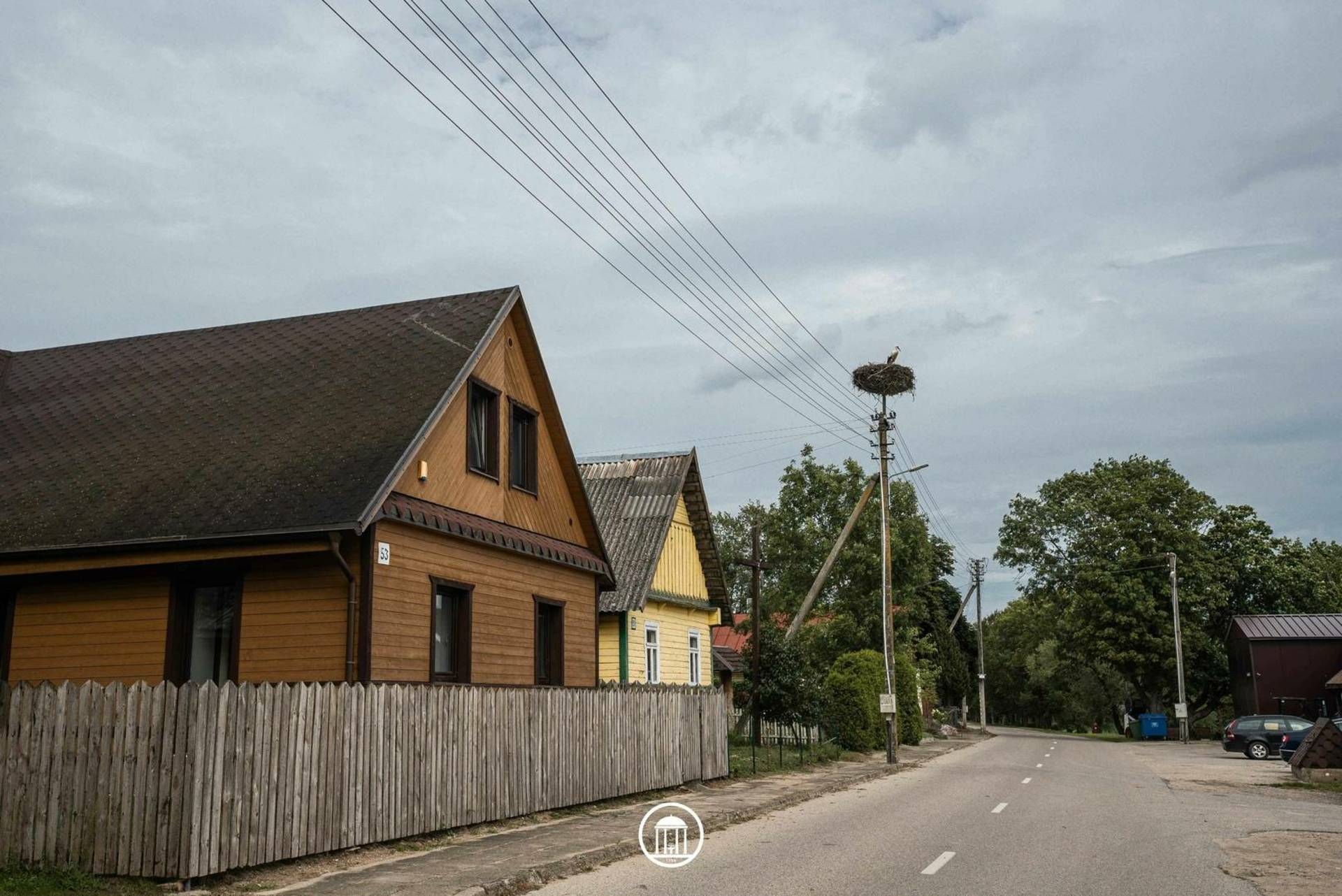
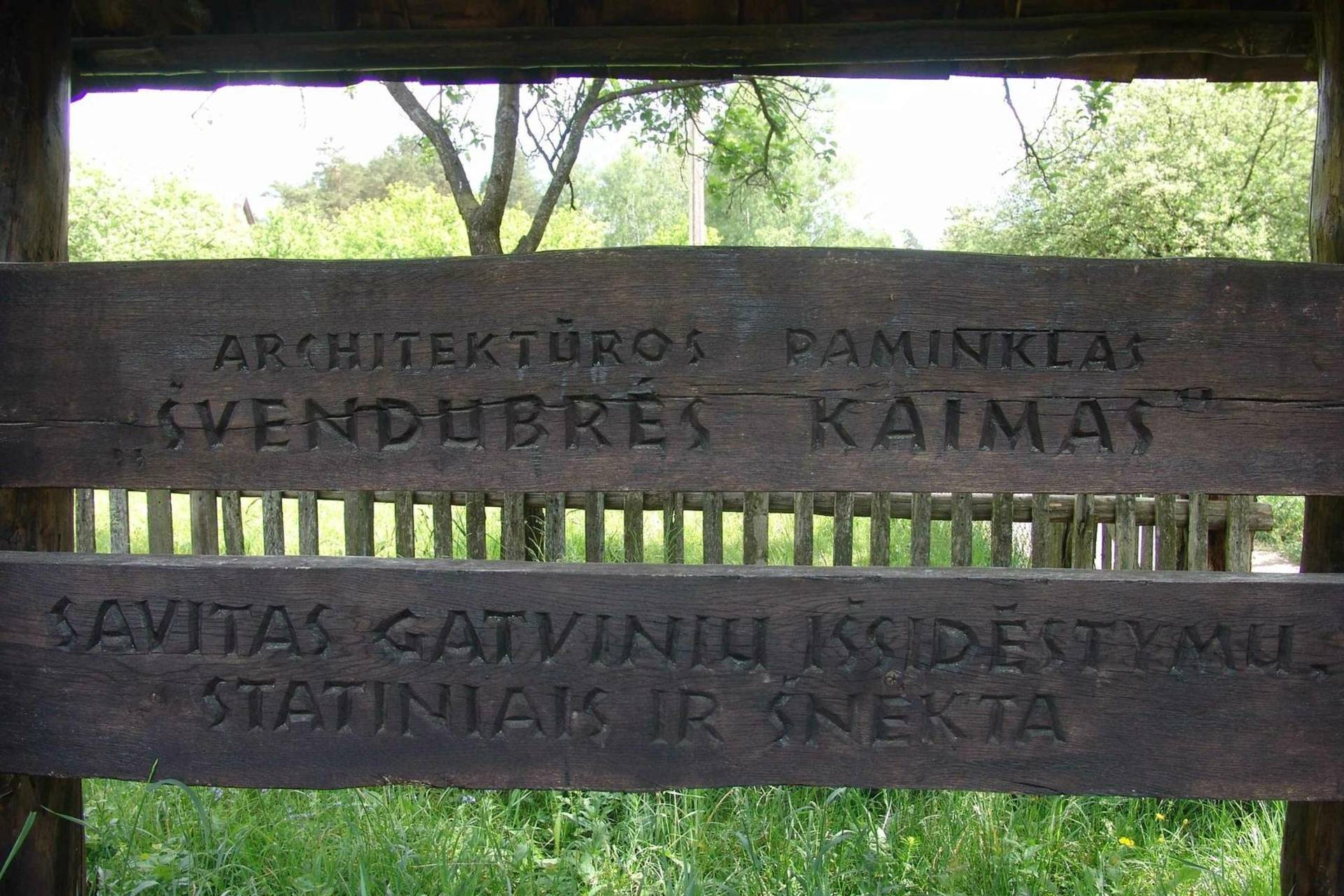
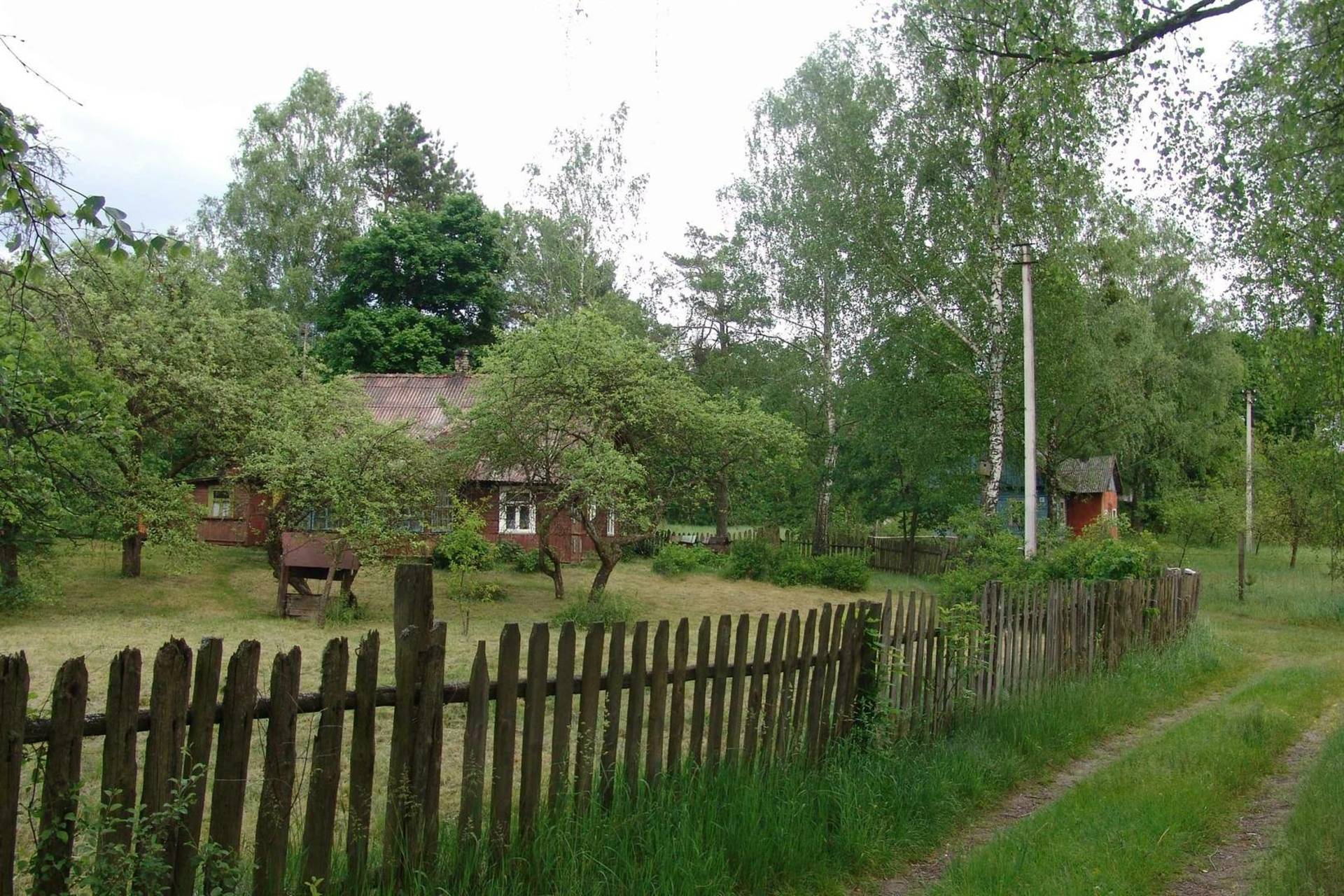
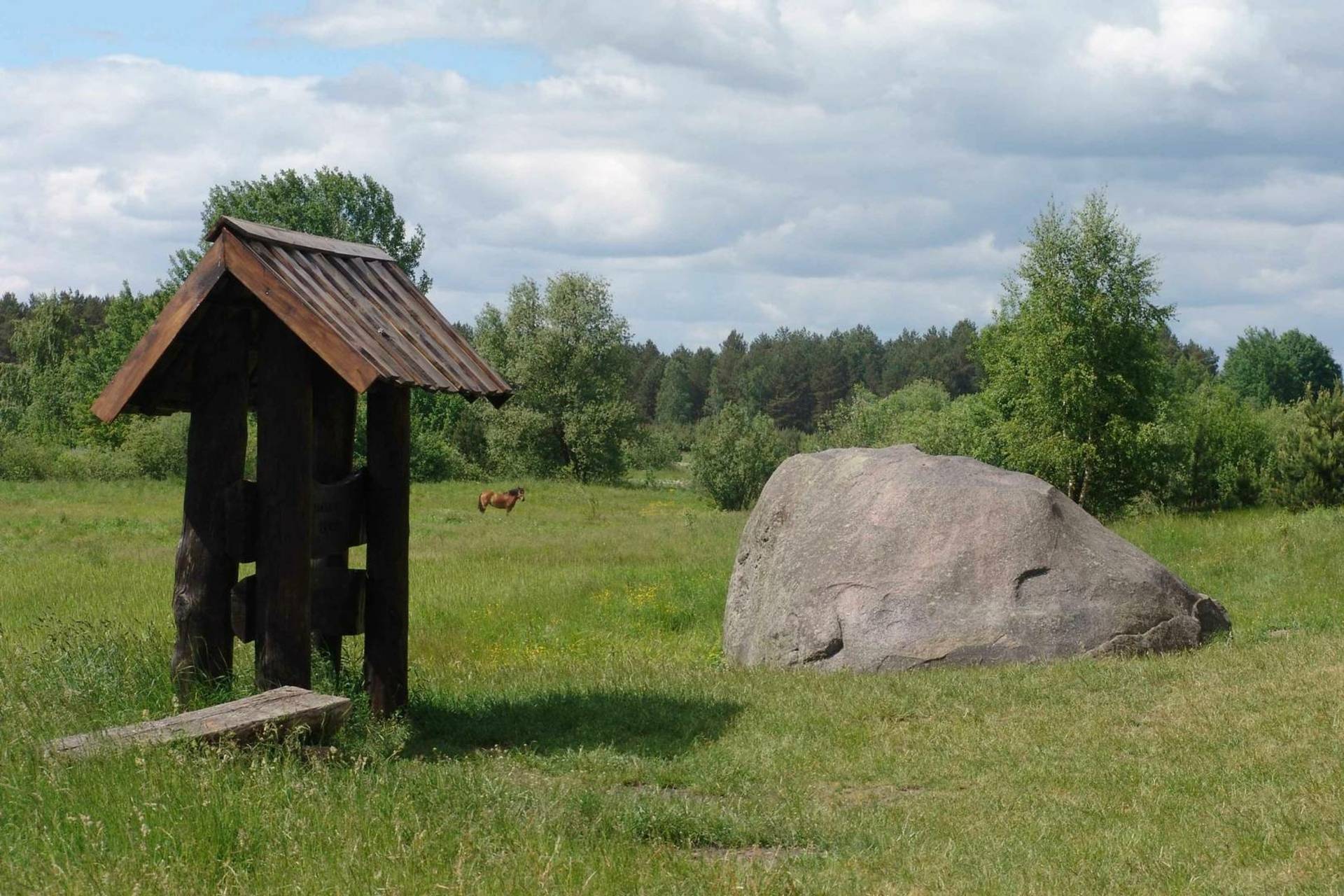
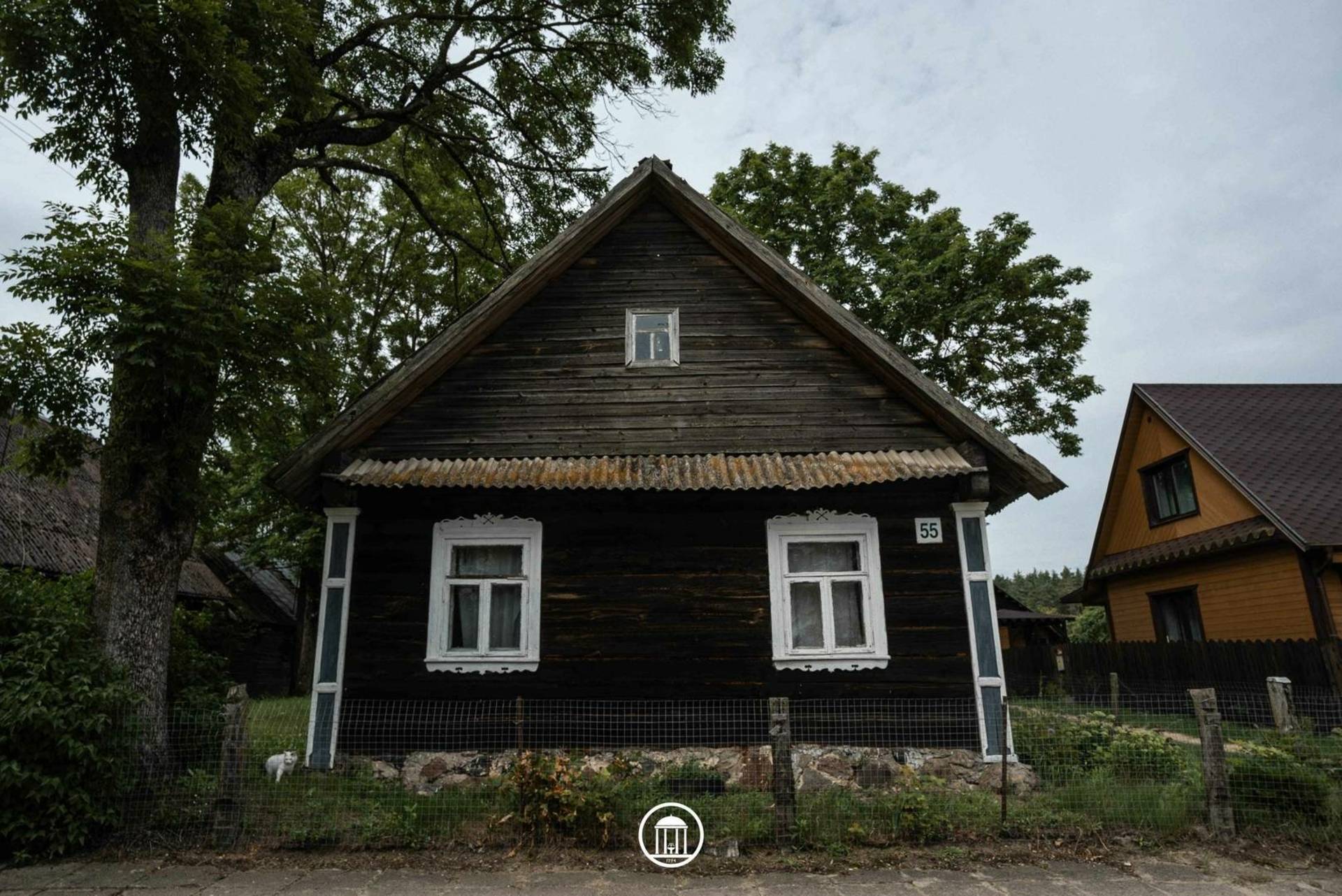
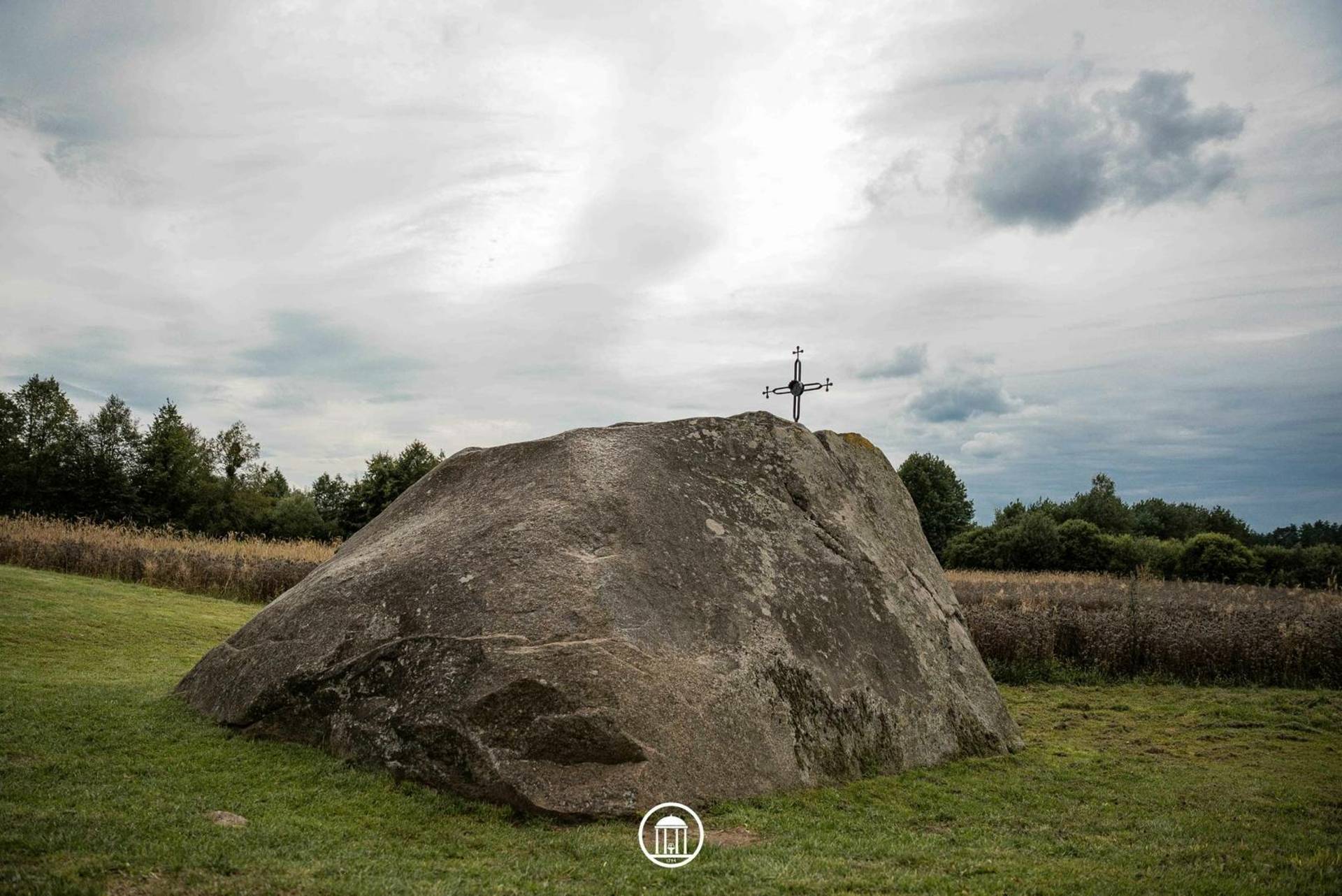
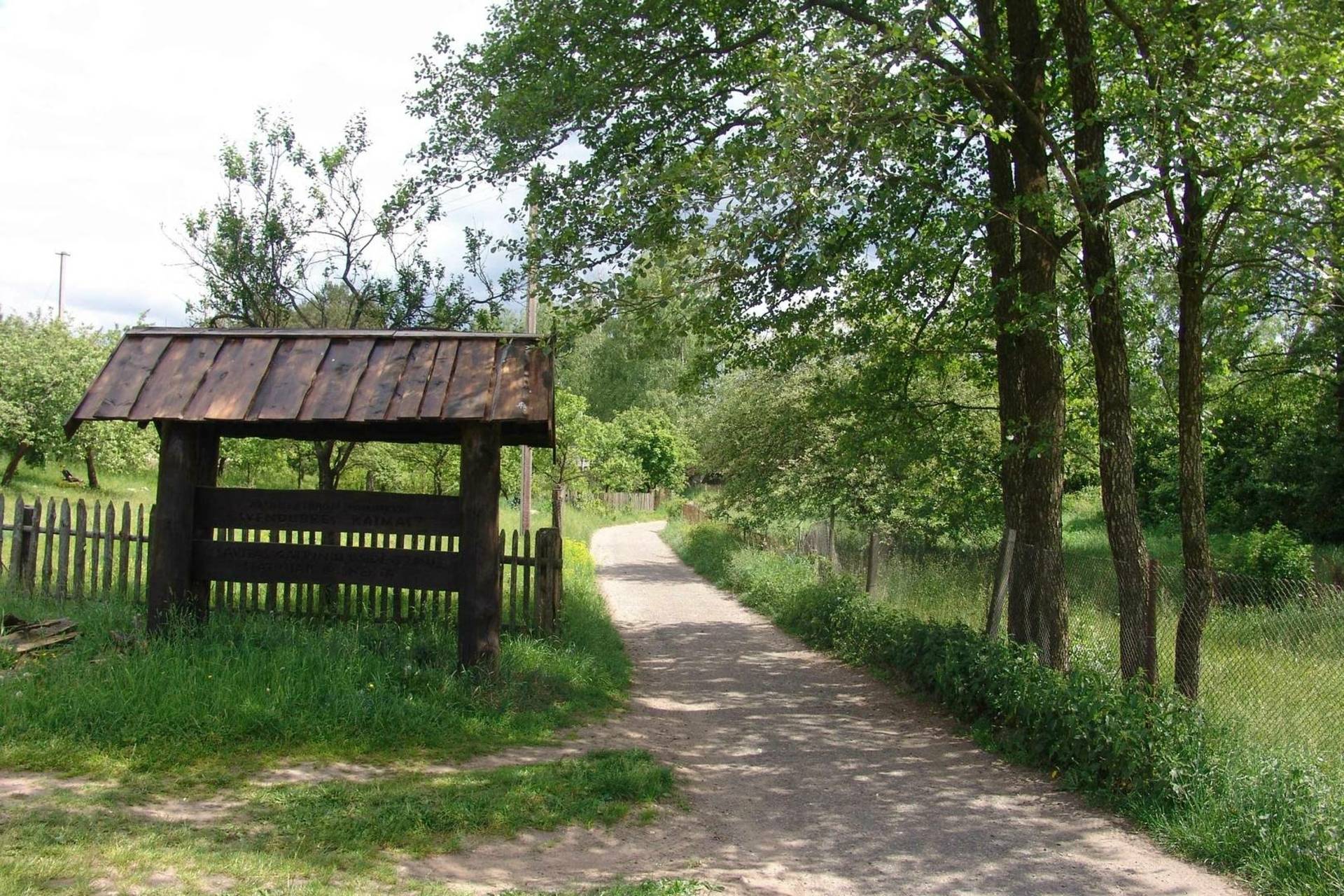
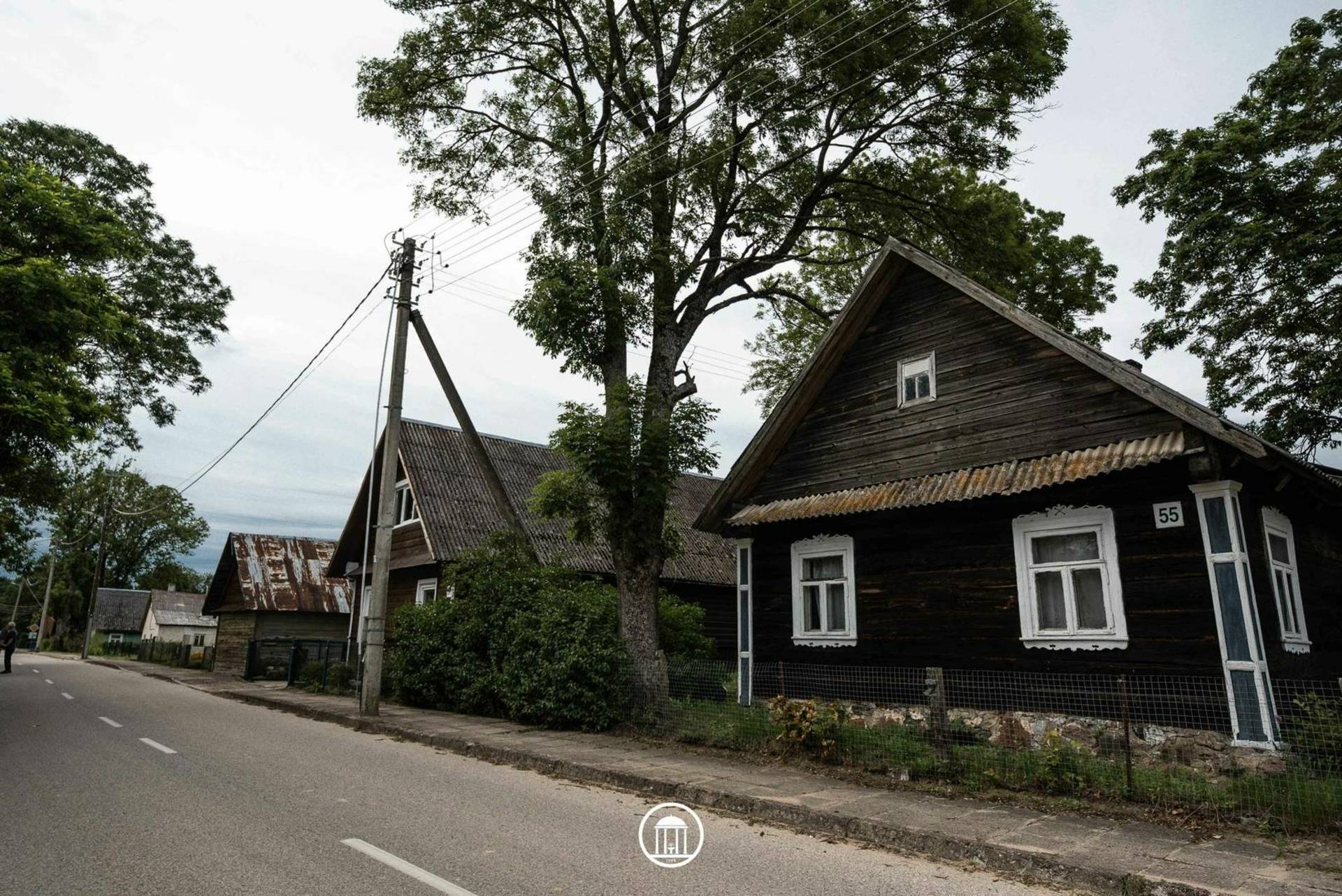
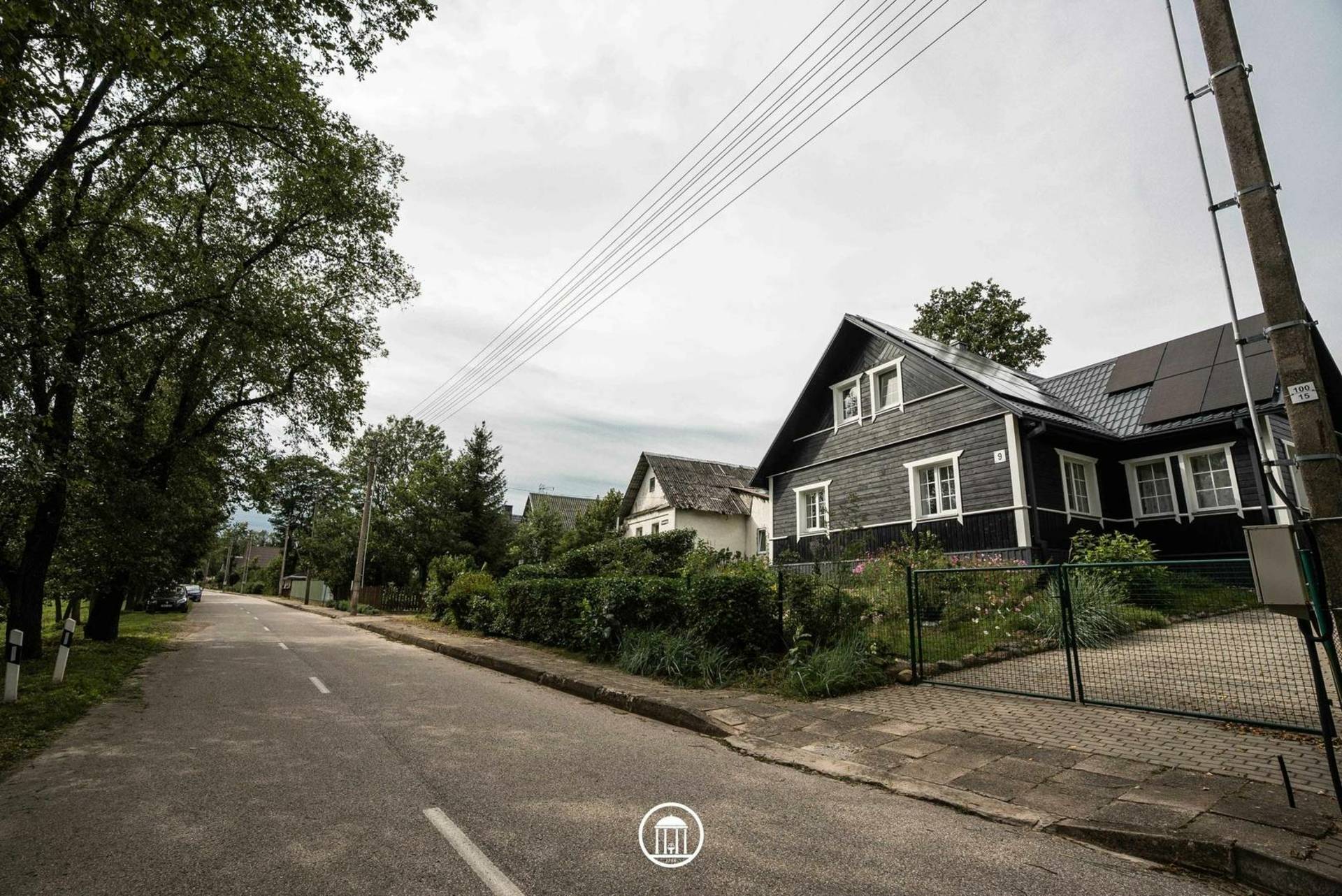
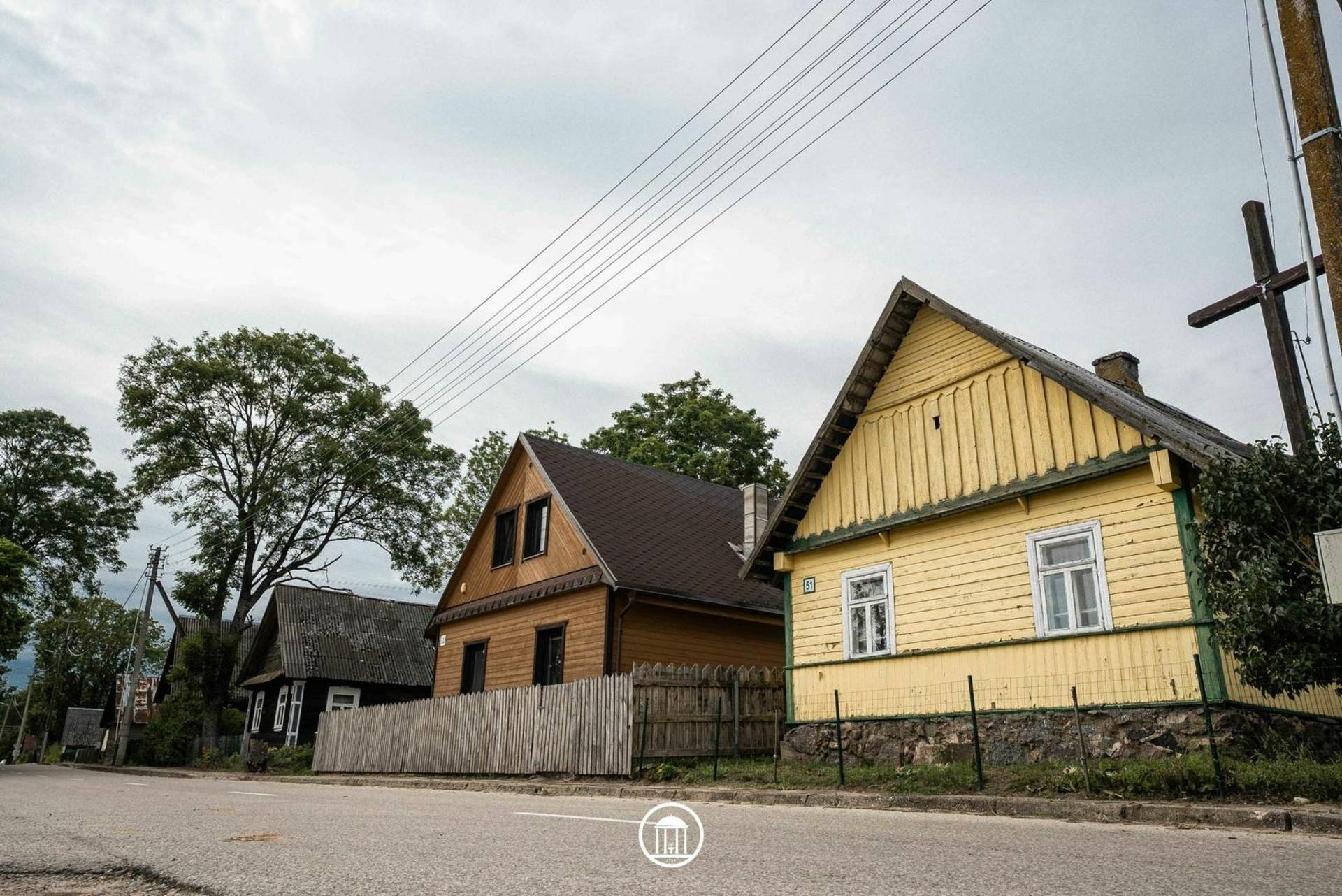
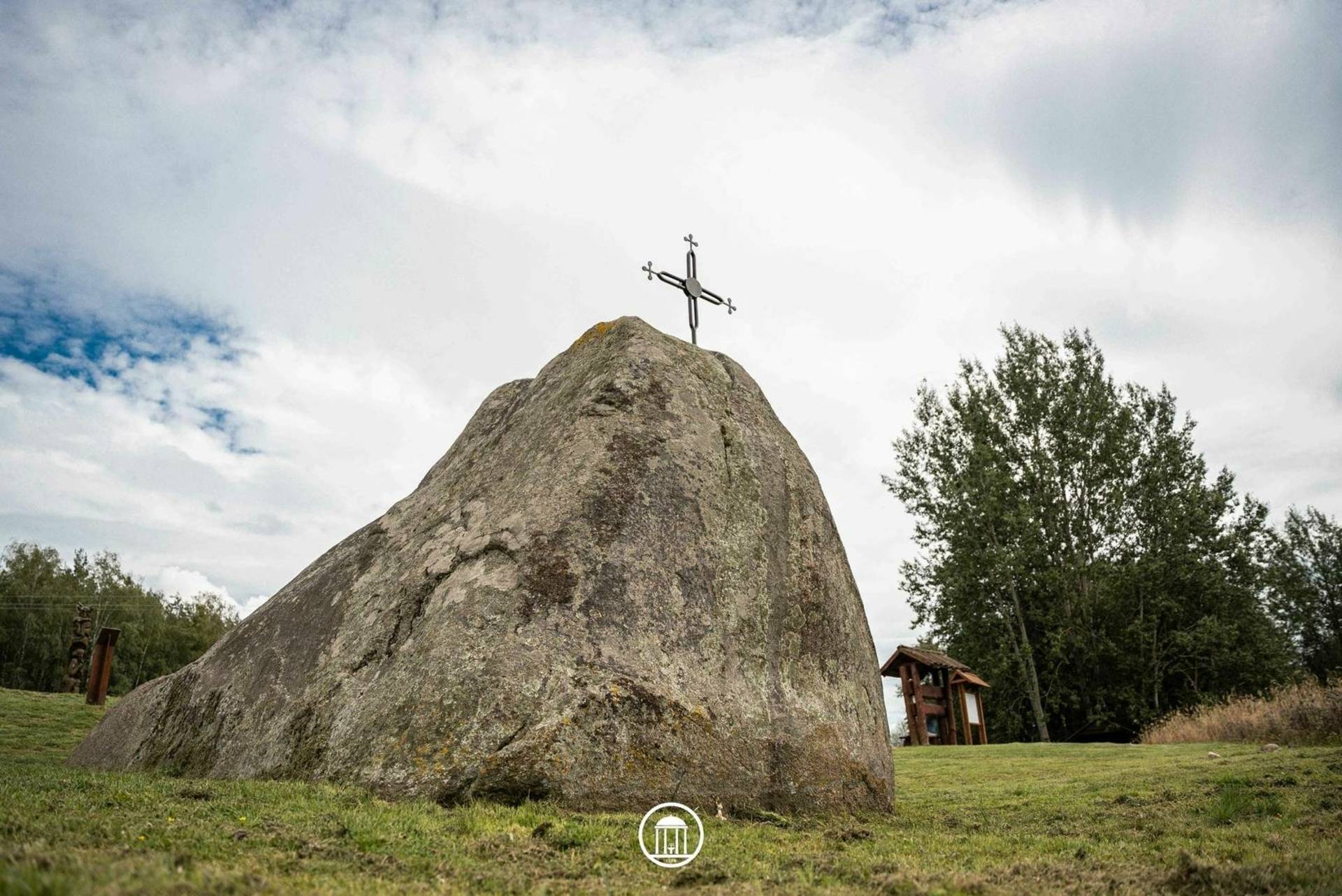
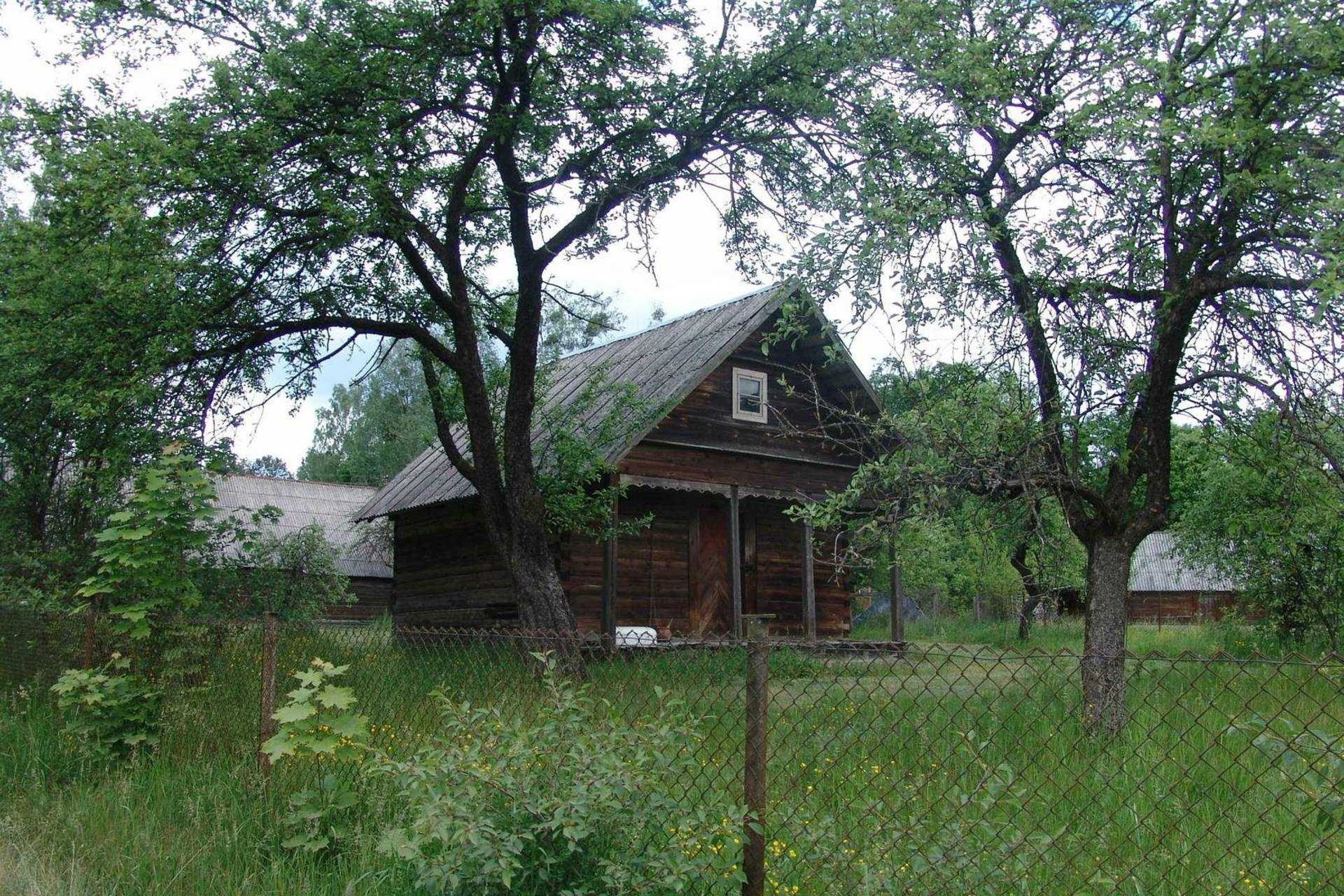
Švendubrė is a unique linear village located just 5 km from Druskininkai, in the picturesque Raigardas Valley, right next to the Lithuanian Belarusian border. It is an architectural monument famous for its authentic 19th–early 20th century Dzūkian homesteads with traditional wooden buildings and enclosed courtyards. In the north of the village stands the mythological Devil's (Švendubrė) Stone – a geological monument surrounded by legends. It is one of Lithuania’s most impressive mythological boulders, the tenth largest in the country. According to the legend, the Devil himself carried the stone – some say he wanted to dam the Nemunas River, while others claim he aimed to complete the construction of the Liškiava Castle. However, when the rooster crowed, the stone slipped from his grasp and fell right there. The boulder is not only remarkable for its size but also for its mysterious bowl-shaped depressions, which testify to its ritual significance. Locals have long considered this stone sacred and prevented it from being broken up for church construction. However, nearby farmers did break pieces off for their own needs. In 2004, wooden sculptures commemorating the legends, titled "The Bell-Ringer," "Raigardas Legend," and "The Shepherdess," were installed near the stone. Archaeologists date the stone to the Bronze and Early Iron Age, linking it to ceremonial stones with depressions. Another legend suggests that beneath the stone lies a mysterious cave leading to the lost Raigardas city.
Raigardas Valley is one of the most mysterious corners of Dzūkija’s nature. This landscape reserve is known for the largest fossil cirque in Lithuania, formed around 5,000 years ago. The valley is traversed by small streams, broad meadows, swamps, and terraces covered with pine forests. Here, you will find several peaks offering breathtaking panoramas of the lush valley and the winding Nemunas River. Legend has it that a prosperous city once thrived here, but due to the pride of its inhabitants, Perkūnas (the Thunder God) destroyed it, and the city sank into the earth. It is said that the bells of the damned still ring underground, and the exit to the underground kingdom is blocked by the Švendubrė Devil's Stone. Even the salty waters of Druskininkai are believed to be the tears of the cursed ones. This mysterious place inspired the artist M. K. Čiurlionis to create his famous triptych "Raigardas." Travelers are drawn here not only by the legends but also by the unique nature, where the world of Dzūkija’s history and myths unfolds. Raigardas Valley is a journey into past secrets, enriched by every step in this extraordinary place.
Reviews